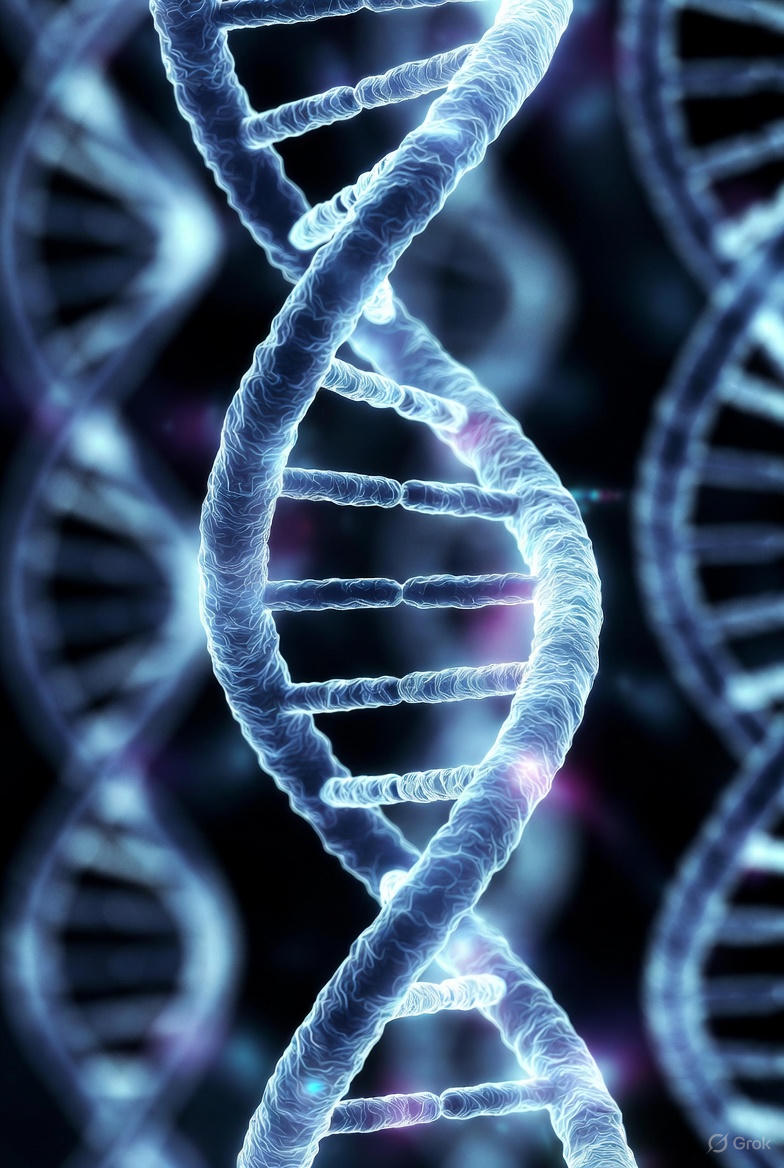
Introduction: Humanity’s Oldest Dream
For thousands of years, humans have sought the secret to a longer life. Today, for the first time, science is uncovering real mechanisms that influence aging—and potentially reverse it.
Thanks to breakthroughs in genetics, cellular biology, and AI-driven biotechnology, scientists are no longer asking whether we can slow aging, but how much we can extend healthy lifespan.
Longevity has moved from myth to measurable science.
2. Why We Age: The Biological Mechanisms
Aging is not one process but many interacting failures:
-
DNA damage accumulation
-
telomere shortening
-
mitochondrial decline
-
epigenetic drift
-
senescent cell buildup
-
immune system aging
Each mechanism creates a feedback loop that makes the body less efficient over time.
Modern research aims to slow—or reverse—each of these mechanisms directly.
3. Genetic Approaches: Rewriting the Blueprint
3.1 CRISPR and gene editing
CRISPR allows scientists to:
-
remove harmful mutations
-
silence aging-related genes
-
enhance DNA repair pathways
Gene editing trials in mice have extended lifespan significantly, and early human trials are beginning.
3.2 Epigenetic reprogramming
Harvard researcher David Sinclair demonstrated that resetting the epigenome can restore youthfulness in aged tissues without changing DNA sequence.
This discovery may enable partial rejuvenation treatments in humans.
4. Cellular Rejuvenation: Fighting Aging at Its Source
4.1 Senolytics: Killing zombie cells
Senescent cells accumulate with age, releasing inflammatory molecules that harm healthy tissue.
Senolytic drugs selectively eliminate these cells.
Some compounds have already reversed age-related dysfunction in animals.
4.2 Telomere restoration
Longer telomeres = greater cellular lifespan.
Scientists are exploring telomerase activation therapies to slow biological aging.
4.3 Mitochondrial regeneration
Mitochondria decline with age, reducing energy production.
New therapies attempt to:
-
replace damaged mitochondria
-
stimulate mitochondrial biogenesis
-
transfer healthy mitochondria into aging cells
5. AI and Longevity: Predicting, Optimizing, Extending
AI is revolutionizing longevity research by:
-
predicting biological age
-
identifying new drug targets
-
simulating aging pathways
-
optimizing gene editing sequences
Companies like DeepMind, Insilico Medicine, and BioAge Labs are using AI to design anti-aging molecules that would have taken decades to discover manually.
6. Nutrition, Metabolism, and the Biology of Energy
Longevity studies consistently highlight metabolic control as a key factor in healthy lifespan.
Emerging strategies:
-
NAD+ boosters
-
caloric restriction mimetics
-
intermittent fasting
-
ketogenic metabolic switches
-
gut microbiome engineering
These interventions influence pathways like mTOR, AMPK, and sirtuins, all linked to longevity.
7. Organ Regeneration and Replacement
Advances in tissue engineering are making it possible to repair—or replace—aging organs:
-
3D-printed organs
-
stem-cell grown tissues
-
lab-generated blood vessels
-
organoids for regenerative therapy
Within 20 years, organ replacement may be routine.
8. Ethical Questions and Societal Impact
Life extension raises profound questions:
-
Who gets access?
-
Will longer lives widen inequality?
-
How will pensions, jobs, and healthcare adapt?
-
What happens to population growth?
-
Will identity change if aging becomes optional?
Science is progressing faster than policy.
9. Conclusion: The Age of Longevity Has Begun
We are entering an era where controlling aging becomes a scientific discipline. While immortality remains out of reach, extending healthy life by decades is becoming realistic.
Genetic engineering, senolytics, AI-designed drugs, and regenerative medicine could bring the first generation to routinely reach 110–120 years in full health.
The future of longevity is not fiction.
It is an engineering challenge—and we are close to solving it.